

When visiting a shrine or temple in Japan, you may notice people drawing a small paper fortune called omikuji.
Omikuji is not meant to predict your future in a strict sense, nor is it simply about “good” or “bad” luck.
It is a long-standing Japanese tradition that offers guidance, reflection, and a moment to pause and reset.
What Is Omikuji?
Omikuji is a traditional Japanese fortune slip that you can draw at shrines and temples.
Although it looks simple, omikuji has long been part of Japanese culture. It is meant to help you reflect on your current situation and mindset, with advice related to daily life, relationships, health, or work.
Because of this, omikuji is not just about “good” or “bad” luck. Even results labeled as bad luck are usually seen as gentle reminders — encouraging caution, patience, or a change in attitude.
Different Types of Omikuji

- Drawing a Number
One of the most common styles is to draw a number first.
You shake a box, take out a small stick or slip with a number on it, and then receive the corresponding omikuji from the counter.
- Omikuji in Animal or Object Shapes
Some shrines offer omikuji inside small figurines, such as rabbits, foxes, or other symbolic animals.
You simply choose one from a table or shelf where the omikuji are already laid out.
- Coin-Operated Omikuji
Some shrines use a simple coin-operated machine.
After inserting a coin, an omikuji comes out automatically.
What’s Written on an Omikuji?
An omikuji usually begins with an overall fortune result, such as great luck or bad luck. This gives a general sense of how things may unfold.
Below that, you’ll often find short messages offering guidance in specific areas of life, such as:
- Relationships or love
- Work or studies
- Health
- Travel
These messages are not meant to be taken literally. Instead, they offer gentle advice — reminding you to act carefully, stay patient, or keep a positive attitude.
Even if you cannot read Japanese, many shrines provide English translations or summaries nearby, or you can simply use Google Camera for translation.
Types of Omikuji Results
Omikuji results show the general level of fortune, but they are not strict rankings or final judgments.
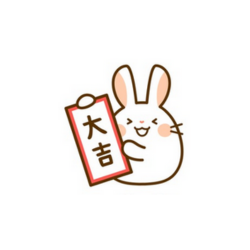
【大吉】Great Luck (Daikichi)
This is the best possible result. It suggests a very favorable period ahead, while also reminding you to stay humble and avoid overconfidence.
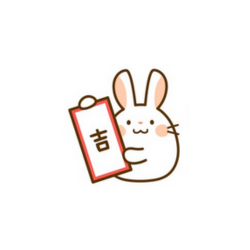
【吉】Good Luck (Kichi)
A solid and stable result. Things are generally going well, especially if you continue to act carefully and consistently.
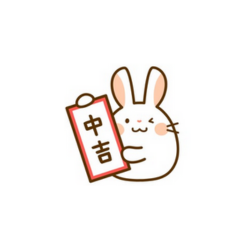
【中吉】Middle Luck (Chū-kichi)
A positive outcome that indicates steady progress. Effort and patience are likely to be rewarded.
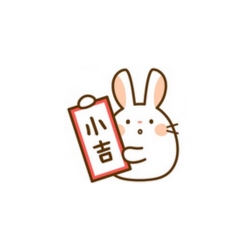
【小吉】Small Luck (Sho-kichi)
A modest but encouraging result. Improvements may be limited for now, but small efforts can still make a positive difference.
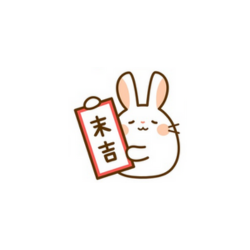
【末吉】Future Luck (Sue-kichi)
This suggests that good fortune may come later rather than immediately. Patience and long-term thinking are important.
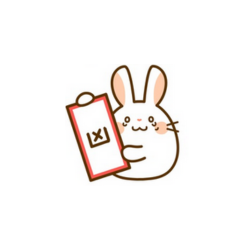
【凶】Bad Luck (Kyo)
Often misunderstood, kyo is not meant to predict failure. Instead, it serves as a warning – encouraging caution, reflection, and mindful choices.
Different shrines may use slightly different categories, but the purpose of omikuji is always guidance, not fate.
Should You Tie It or Take It Home?
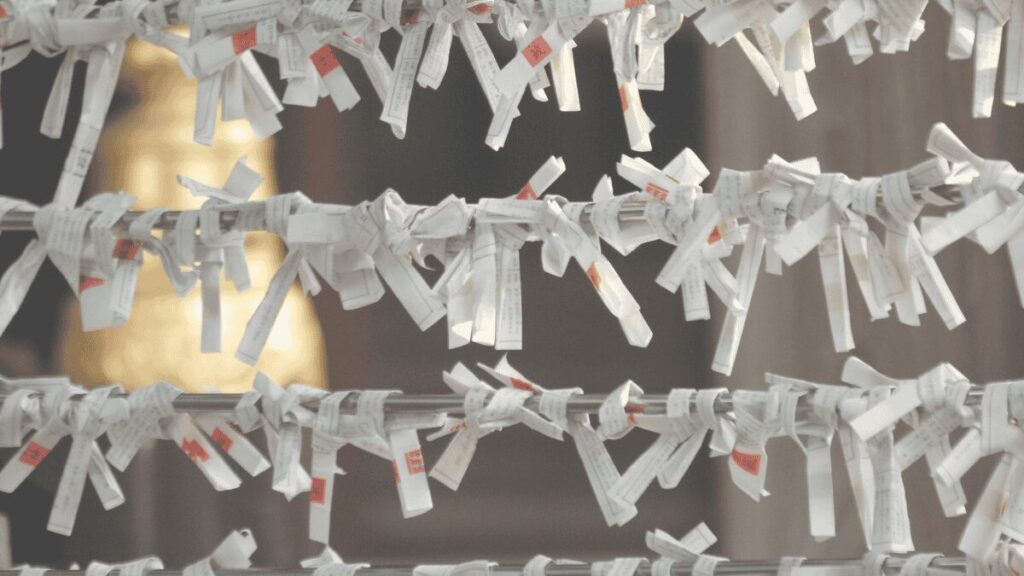
After reading an omikuji, many people wonder what they should do with it next.
Traditionally, people tie their omikuji at the shrine or temple, especially if the result is bad luck. This act is believed to symbolically leave the misfortune behind and ask for guidance or protection.
However, taking an omikuji home is also perfectly acceptable. Many people keep it in a wallet, notebook, or special place as a reminder of the message or advice they received.
In recent years, even people who receive good luck may choose to tie their omikuji — while others take bad-luck omikuji home to reflect on the advice more carefully.
There is no single correct rule. What matters most is how you receive and reflect on the message, rather than what you physically do with the paper.
Can You Draw Omikuji More Than Once?
Yes, there is no strict rule that limits how many times you can draw an omikuji.
However, in Japan, drawing multiple omikuji in a short period of time is generally discouraged. Omikuji is meant to offer guidance, not to be repeated until you get the result you want.
Many people believe it is better to wait until another visit or a different day before drawing again. This allows time to reflect on the message you received and approach the next omikuji with a fresh mindset.
Final Thoughts: Enjoy Omikuji with Confidence
Omikuji is more than a simple fortune slip.
It is a quiet moment of reflection, deeply rooted in Japanese culture.
There is no single correct way to draw, read, or handle an omikuji.
When approached with curiosity and openness, this small ritual can become a meaningful and memorable part of your visit to Japan.
Enjoy the experience, take a moment to pause, and move forward with confidence.